


What Is On-Page SEO?

What's the difference between on-page and off-page SEO? Learn the essential on-page factors—like content, metas, and speed—that you must get right to rank on Google.

The On-Site Signals That Help You Rank

For a website to show on the first page of search results, it must comply with various requirements. While all the top-ranking websites will have their distinct design and layout, the elements contributing to their successful SEO strategy are standardized and referred to as On-Site SEO.
On-Page SEO vs. Off-Page SEO: What’s the Difference?

The signals sent from your website are not the only contributors to your online presence and ranking. Search engines also rely on signals sent from other pages mentioning and linking to your site, including local listings, websites, blogs, social media pages, influencers, among others.
Google recognizes these external mentions, known as Off-Page SEO, contribute to your site’s credibility, rewarding your presence with a higher position on the SERPs (Search Engine Results Pages).
Why Is On-Page SEO a Critical Ranking Factor?
Every year Google’s algorithm becomes smarter at understanding users’ intent, crawling sites to understand the content shared, and delivering the right search results. As such, page optimization has become paramount for any site to rank.
On-page SEO is essential because it ensures your website sends the right signals to Google’s bugs as they search for the best sites they can show to meet users’ search queries. Adapting your content, images, speed, mobile experience, and meta titles and descriptions according to the latest best practices will help your site’s local ranking.
What Are the Most Important On-Page SEO Factors?
There are over 200 ranking factors Google uses in its algorithm – that’s quite a lot! – and there’s no way to know them all because Google has never revealed a detailed list. However, many SEO experts and analysis platforms have the most common ranking factors they have detected based on historical data.
Some of those factors are visible to users, and others are elements added in the back-end of your site. Meaning that, they are only visible to web developers and search engines, including:
- Keyword insertion
- Headings and subheadings
- External (outband) and internal (inbound) links
- URL optimization
- Meta title and meta description
- Content quality
- Images
- Page speed
- Mobile friendly page
- Voice search SEO
What Are the Most Important On-Page SEO Factors?
Google takes four days to a few weeks to crawl and rank your website. However, your site will be visible right after you publish it. This search engine will consider all its ranking factors, including your site popularity, whether the content is crawlable, and your overall site structure.
As we’ve mentioned in previous blogs, various external and internal factors affect your website ranking and the length of time it takes your site to be on the first page of the search results. Do you want to learn more? Click here to know how long SEO takes to work.
On-Page SEO Is an Ongoing, User-First Process
SEO is a never-ending process and topic. Many questions are left unanswered with Google constantly updating its search algorithm and not disclosing all of its ranking factors. However, many experts rely on the ranking factors we mentioned before to rank their sites, and it has worked!
This is another example of how important historical data is for marketers to predict behavior. On-page SEO it’s all about that: using data to know what Google expects from your website and adapting it accordingly.
In addition, on-site SEO is about sending the right signals to search engines and creating user-friendly websites. Search engines can easily detect when a site isn’t designed, written, or developed with users’ in mind. They will penalize you for that.

Stop Guessing What Google Wants
On-page SEO is a complex, ongoing process. Our team can audit your site and build a strategy that sends the right signals to Google. Call our team today to get started.
Call Us To Get Started
Olly Olly Team
The Olly Olly Team is dedicated to bringing you helpful tips, industry insights, and practical advice to help your business succeed. We are passionate about digital marketing and sharing what we learn with our community.
This might interest you:
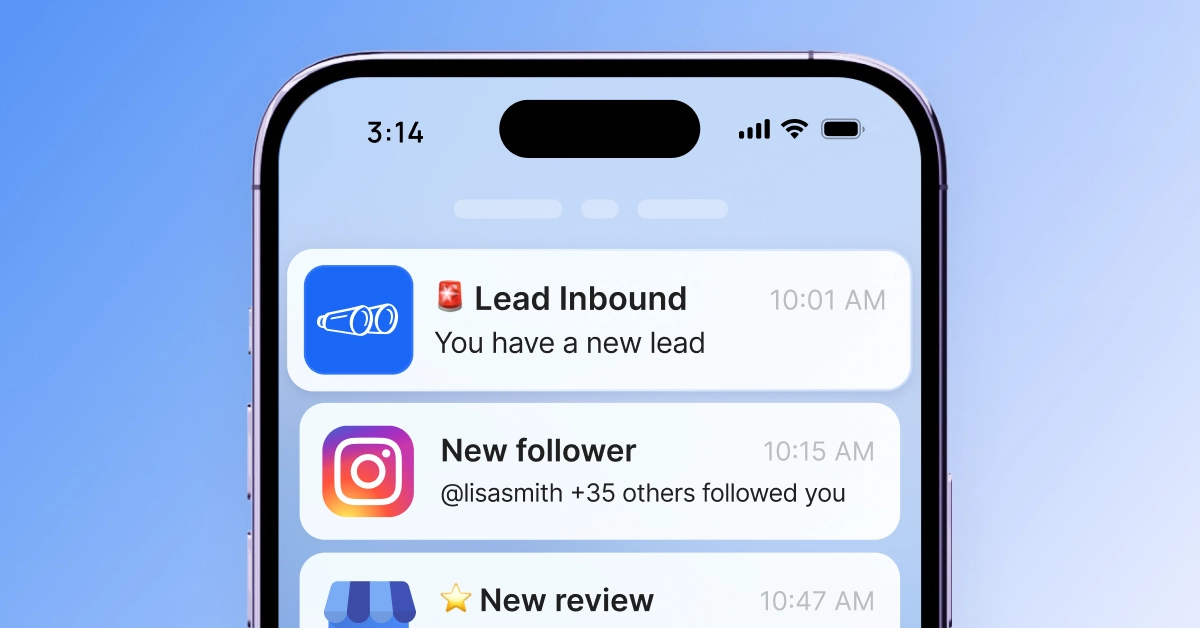
Marketing Strategy
11 min read
Is Your Business Working You to Death? 5 Marketing Tasks You Can Automate Today
Spending 10-15 hours a week on manual marketing? Here are 5 critical tasks you can automate right now - and finally get back to running...
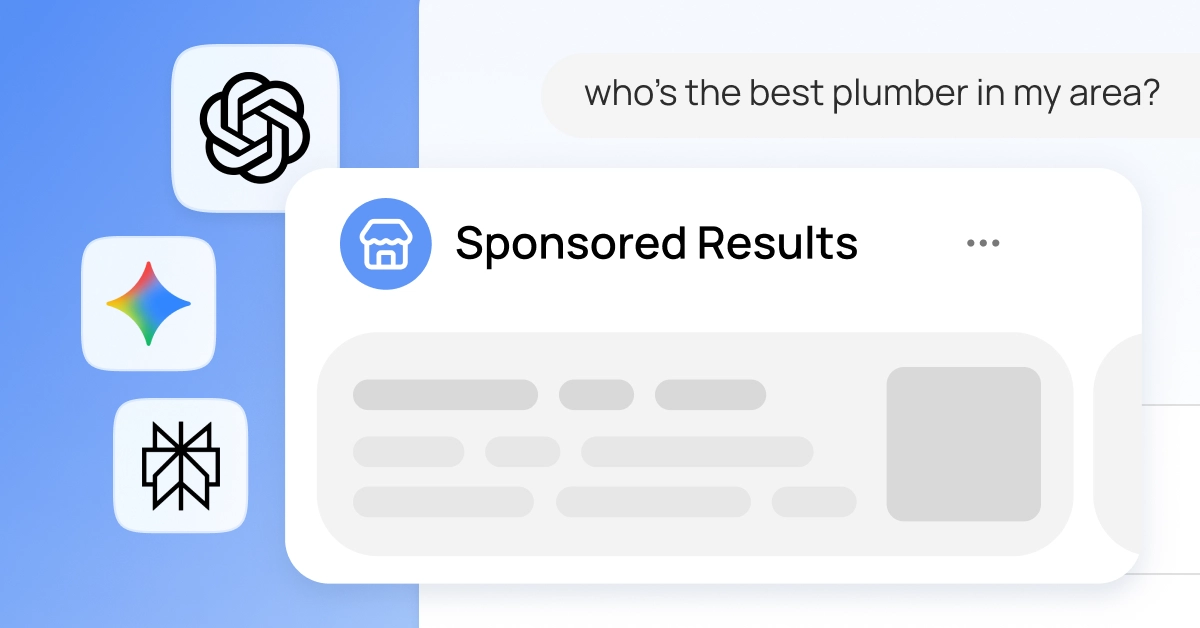
Marketing Strategy
7 min read
ChatGPT Is Adding Ads. Here’s What Small Businesses Should Actually Do About It
OpenAI is testing ads in ChatGPT, but should local businesses bite? Skip the hype and learn why becoming the organic "AI answer" beats paying for...
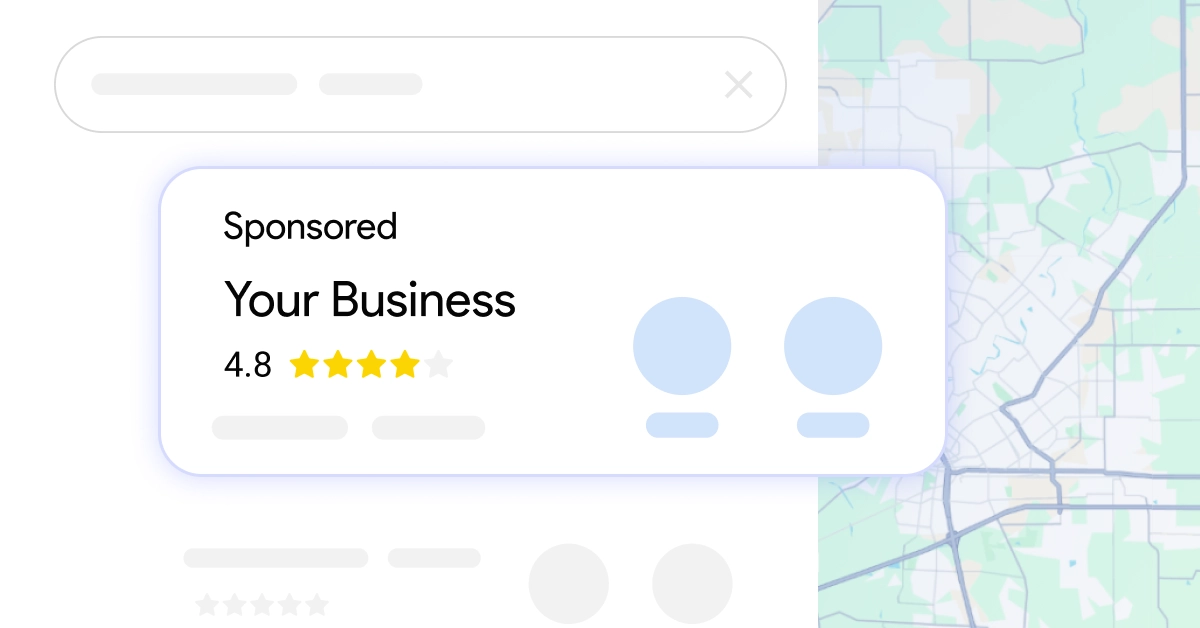
Paid Ads
9 min read
How to Get Your Business in the “Sponsored” Listings on Google Maps (And Why You’re Losing Jobs Without It)
See those "Sponsored" listings at the top of Google Maps? Your competitors are using them to steal your customers. Here's what you're missing.